
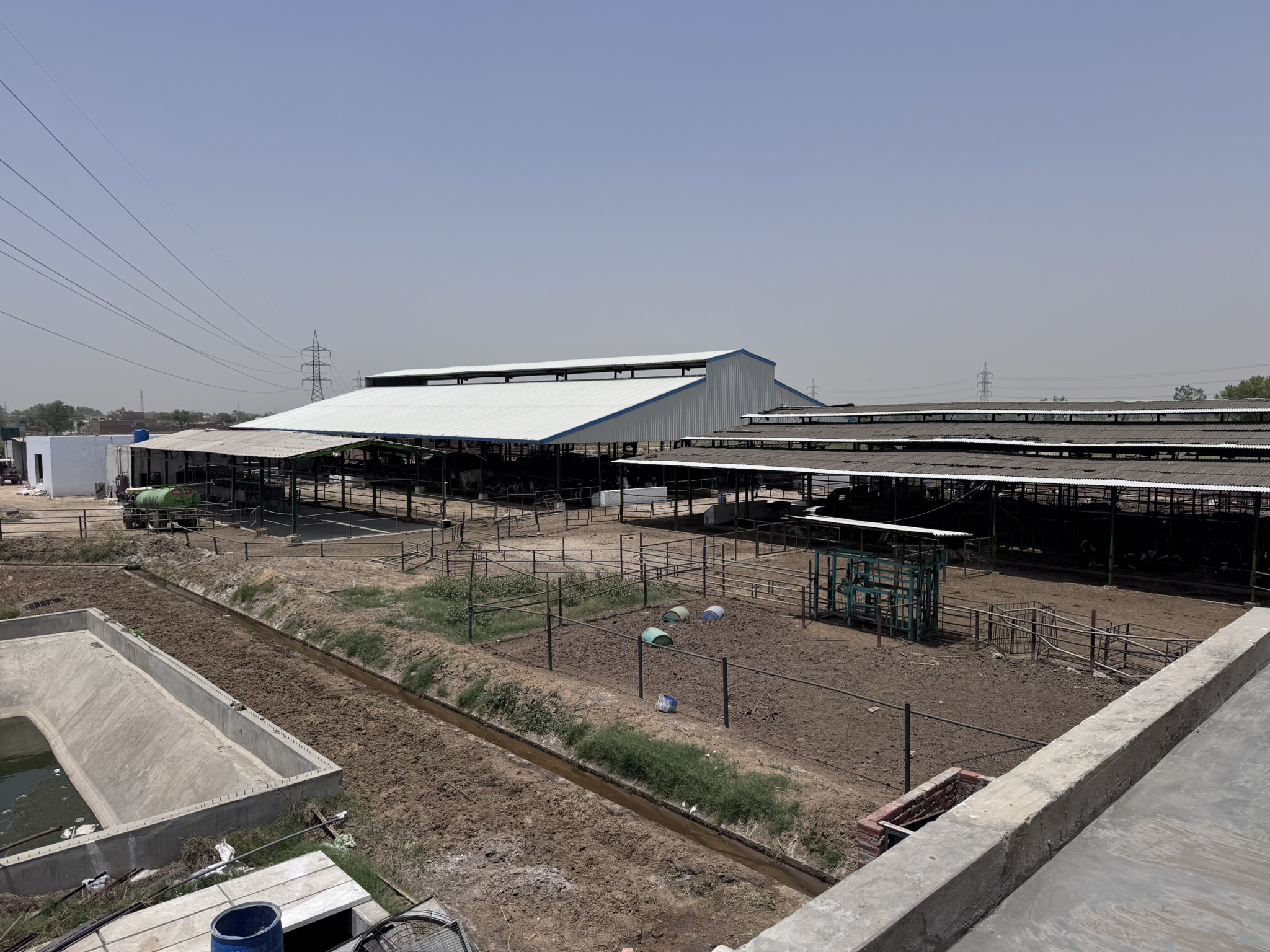
Qualified UK investors acquire a direct shareholding in Gulshan Farms, Kasur — a percentage of the herd, the farm site, the buildings and everything else the company owns. Returns come from two places: dividends on farm profit, and appreciation in the value of a share. Asset-backed, halal-aligned, and built for long-term holders.
Open to qualified investors only. Capital at risk — projected returns are not guaranteed.
Shareholders own a percentage of Gulshan Farms itself — and therefore that percentage of everything the farm owns. You are paid dividends out of what the business earns, and you hold the shares for as long as you want to. This is built for long-term holders.
Your holding is a percentage of Gulshan Farms, so it covers everything the farm owns — the herd, the 9-acre farm site, the buildings and the machinery — not one animal or one cycle.
Dividends are paid in proportion to your holding, out of farm profit. Milk sold every day of the year carries the farm while the young stock matures.
As the herd reaches its target size, surplus breeding stock is sold as well as milk. That is the point the farm is being built towards.
There is no maturity date and no set exit point. Shares can be sold on if a holder wants to. An exit process, available to shareholders on request, sets out how a holding is sold or transferred; no company-level exit has been finalised.
The annual income and the capital growth are separate things. The 8–10% target refers to income alone. Anything above that in a projection is asset appreciation, which is neither distributed as income nor guaranteed.
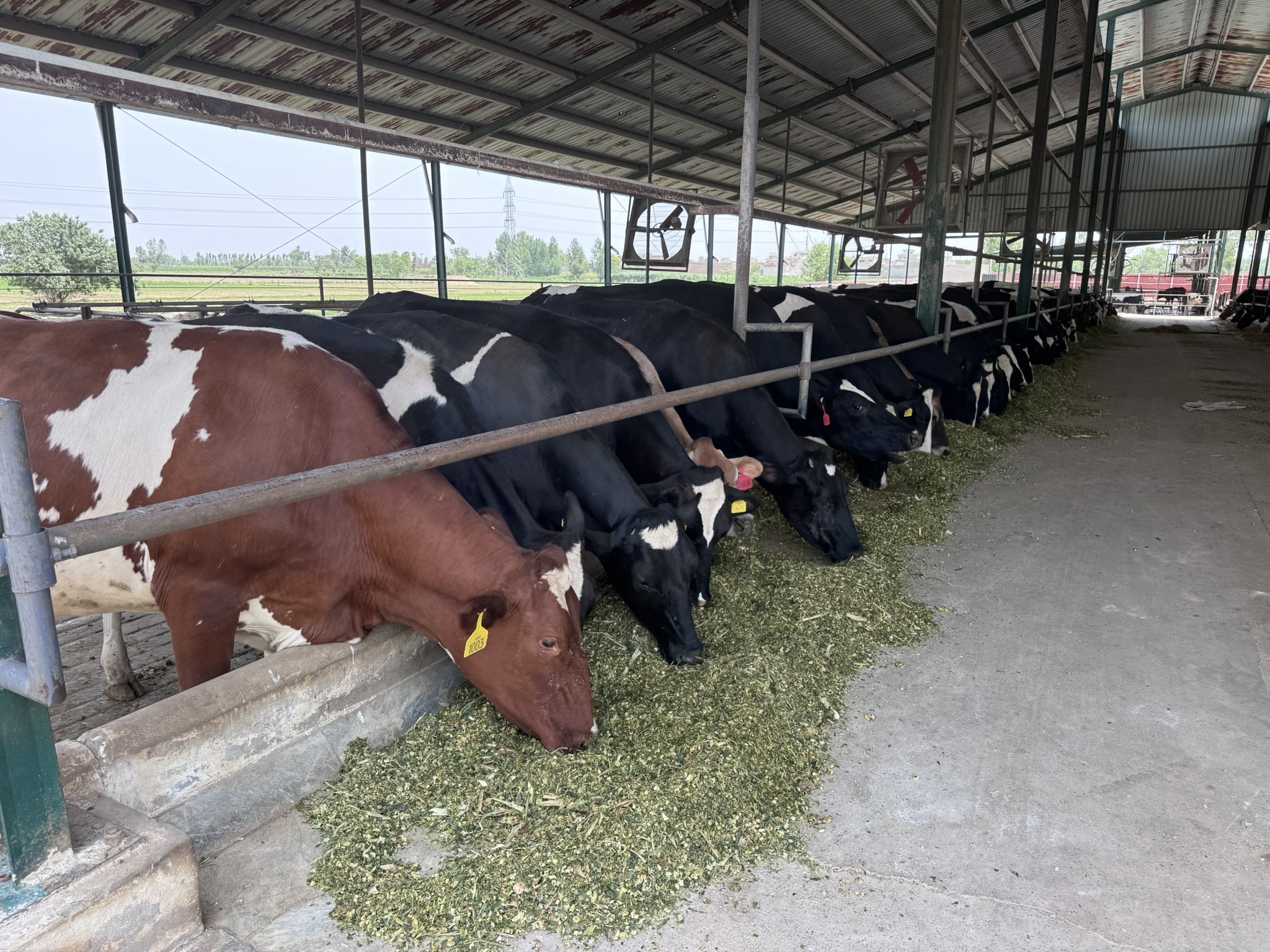
Milked three times a day, every day of the year. That revenue is what the annual distribution is paid from — it is operating income, not a promise.
Calves born on the farm become milking animals. Between 2023 and 2025 the farm imported 164 head from Australian breeding operations to widen the genetic base. Herd value is set at third-party market prices for comparable livestock, verifiable against local sale values.
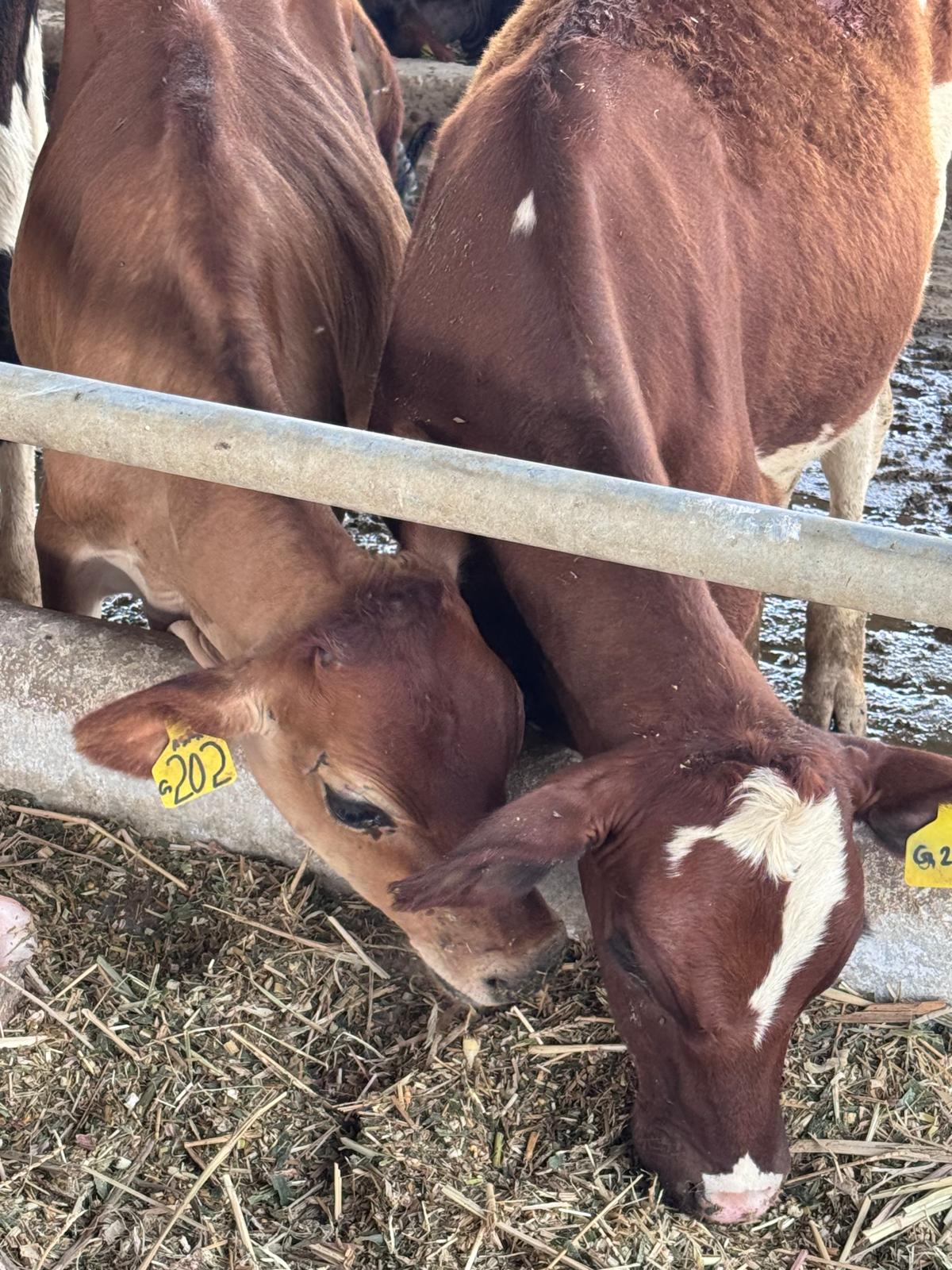
The share register is fixed at 25,000 shares. What has been allocated is allocated; what is left is what is still on offer.
Livestock shareholding is not the highest-yielding thing on this table. It is the one backed by a physical, income-producing asset you can go and stand next to.
| Gulshan Farms | Public equities | Property | Cash savings | |
|---|---|---|---|---|
| Typical annual yield | 8–10% | 7–12% | 4–6% | 1–3% |
| Asset backing | Physical livestock | Share certificates | Physical property | Currency deposits |
| Income regularity | Annual | Variable | Monthly | Monthly–annual |
| Halal compliance | Full | Varies | Structure dependent | Interest-based |
| Volatility profile | Low–moderate | High | Low | Minimal |
| Transparency level | High | Moderate | High | High |
Comparator ranges are indicative long-run figures for the asset classes named, not offers.
Enter an amount and a time horizon. The calculator returns your share count, your percentage of the farm, projected annual income and value at exit — using the same model as the investor pack, with its assumptions shown alongside.
3.44× over ten years is roughly 13.2% compound. The 8–10% target covers income only; the rest of this figure is herd and asset appreciation, reinvested rather than distributed. Both are projections, and neither is guaranteed.
A farm is an operating business, and the risks are operational: animal health, milk price, feed cost, currency. These are the controls against them, and the reporting that lets you verify they are working.
Registered documentation against identified animals rather than internal estimates.
A management team with a team with over 20 years’ combined experience in dairy, running defined veterinary protocols, nutrition planning and breeding records.
A monthly shareholder newsletter, annual accounts prepared and filed by our accountants, and farm visits on request.
Each monthly newsletter covers herd size and composition, milk production and yield per cow, revenue and distributions for the month, and any material operational events. Annual accounts are prepared and filed by our accountants. They are not audited. Farm visits can be arranged at any time — shareholders are welcome on site.
“I put money in because I could see exactly who was running it and go and ask them questions. Four years on I still get an update every month.”
“This isn’t a plan on paper. It’s a working farm with animals, staff and a buyer — the milk is collected three times a day. That’s what made it feel solid to me rather than speculative.”
“I wanted something asset-backed, with no interest involved, where any return comes from the farm actually producing something. That combination is rare, and it’s why I’m still a shareholder.”
Named and quoted with each shareholder’s permission. Capital is at risk and the shares are not readily realisable.
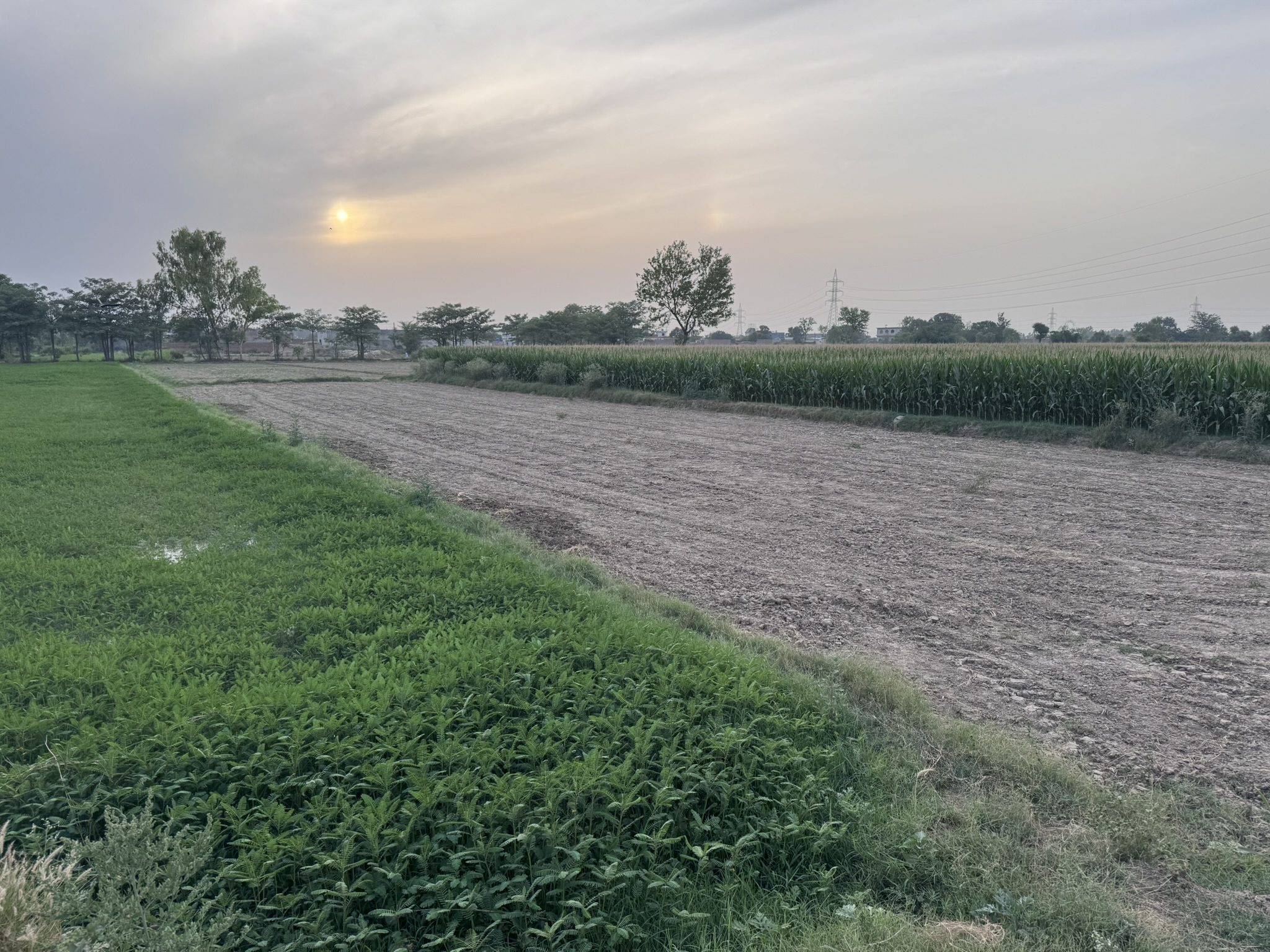
A detailed shareholding call covers the offering memorandum, operational metrics, historical figures and compliance documentation. Transparency is central to how we deal with shareholders — if something here does not stack up, ask.
Capital at risk. Past performance is not a guarantee of future results. Target yields and projected values are projections, not commitments, and may not be achieved. Livestock farming carries risks including animal disease and mortality, milk price movement, feed cost inflation and GBP/PKR currency movement. This page is information, not financial advice, and is directed at qualified investors only.
Qualified UK investors acquire a direct shareholding in Gulshan Farms, Kasur — a percentage of the herd, the farm site, the buildings and everything else the company owns. Returns come from dividends on farm profit and appreciation in share value.
Open to qualified investors only. Capital at risk — projected returns are not guaranteed.
Shareholders own a percentage of Gulshan Farms itself — and that percentage of everything it owns. You are paid dividends out of what the business earns, and you hold for as long as you want to.
A percentage of Gulshan Farms itself — the herd, the 9-acre farm site, the buildings and the machinery — not one animal or one cycle.
Paid in proportion to your holding, out of farm profit. Milk sold every day of the year carries the farm while the young stock matures.
As the herd reaches its target size, surplus breeding stock is sold as well as milk. That is what the farm is being built towards.
No maturity date and no set exit point. Shares can be sold on if a holder wants to. An exit process, available to shareholders on request, sets out how a holding is sold or transferred; no company-level exit has been finalised.
The 8–10% target refers to income alone. Anything above that in a projection is asset appreciation — not distributed as income, and not guaranteed.
Milked three times a day, every day of the year. That revenue is what the annual distribution is paid from.
164 head imported from Australian breeding operations between 2023 and 2025. Valued at third-party market prices for comparable livestock, verifiable against local sale values. Livestock is carried at current market value; projected income from livestock sales assumes materially lower prices, so the projections hold if values fall.
Not the highest-yielding option here. The one backed by a physical, income-producing asset you can go and stand next to.
Indicative long-run figures for the asset classes named, not offers.
3.44× over ten years is roughly 13.2% compound. The 8–10% target covers income only; the rest is herd and asset appreciation, reinvested rather than distributed. Both are projections.
The risks are operational: animal health, milk price, feed cost, currency. These are the controls, and the reporting that lets you verify them.
Registered documentation against identified animals.
a team with over 20 years’ combined experience in dairy, running defined veterinary protocols, nutrition planning and breeding records.
A monthly shareholder newsletter, annual accounts prepared and filed by our accountants, and farm visits on request.
Each monthly newsletter covers herd size and composition, milk production and yield per cow, revenue and distributions, and any material operational events. Annual accounts are prepared and filed by our accountants. They are not audited.
“I put money in because I could see exactly who was running it and go and ask them questions. Four years on I still get an update every month.”
“This isn’t a plan on paper. It’s a working farm with animals, staff and a buyer — the milk is collected three times a day. That’s what made it feel solid to me rather than speculative.”
“I wanted something asset-backed, with no interest involved, where any return comes from the farm actually producing something. That combination is rare, and it’s why I’m still a shareholder.”
Named and quoted with each shareholder’s permission. Capital is at risk and the shares are not readily realisable.
A detailed call covers the offering memorandum, operational metrics, historical figures and compliance documentation. If something here does not stack up, ask.
Capital at risk. Past performance is not a guarantee of future results. Target yields and projected values are projections, not commitments, and may not be achieved. Livestock farming carries risks including animal disease and mortality, milk price movement, feed cost inflation and GBP/PKR currency movement. Information only, not financial advice, and directed at qualified investors. Figures are unaudited and prepared by the company. Over 95% of milk is sold to a single buyer.
Schedule your free call to explore how shareholding works and whether it fits your goals.