
A conversation with our CEO on the systems, safeguards and succession planning that protect your investment — from animal health to energy independence to what happens when leadership changes.
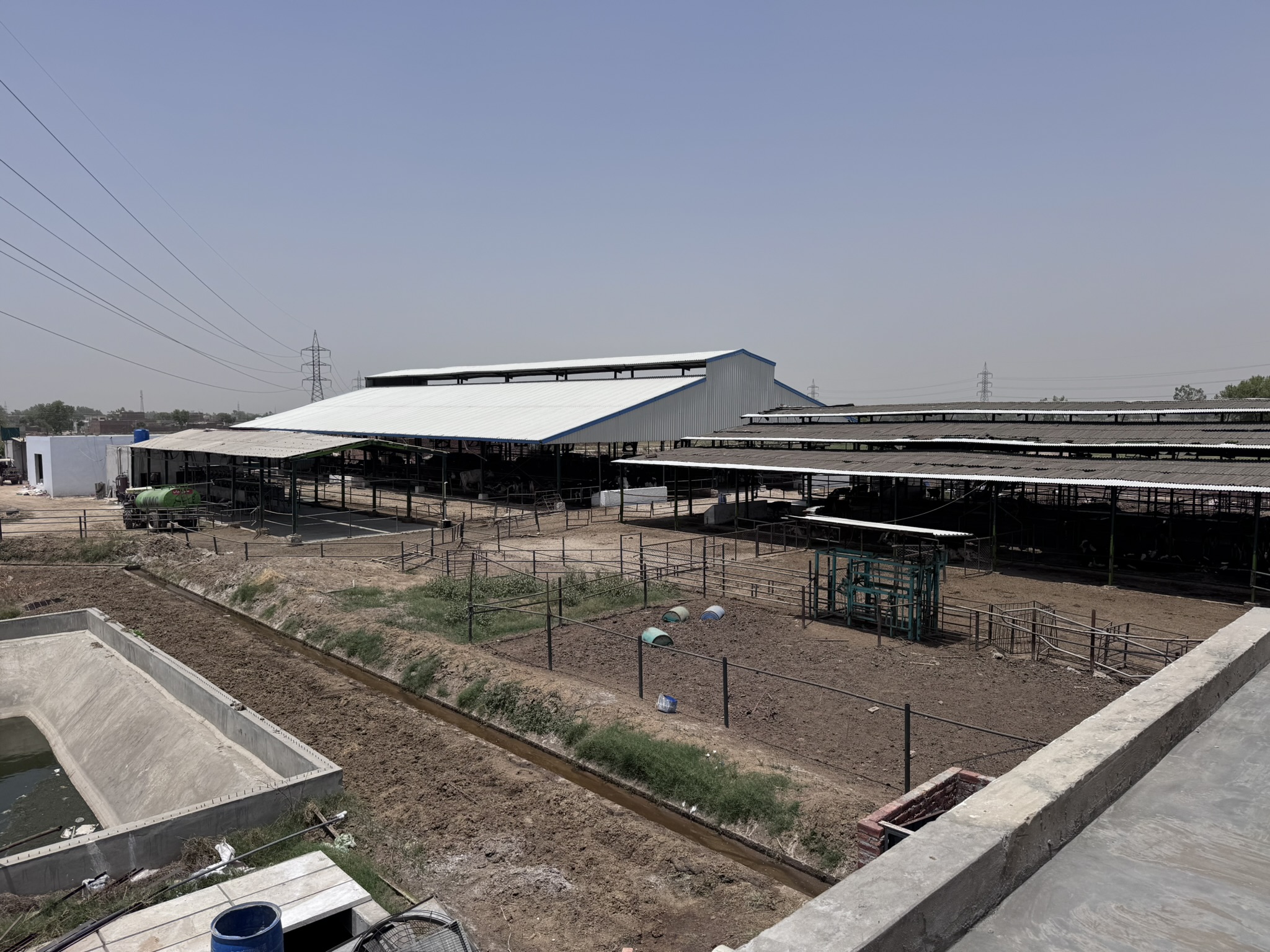
How Gulshan Farms is de-risking across health, energy and leadership.
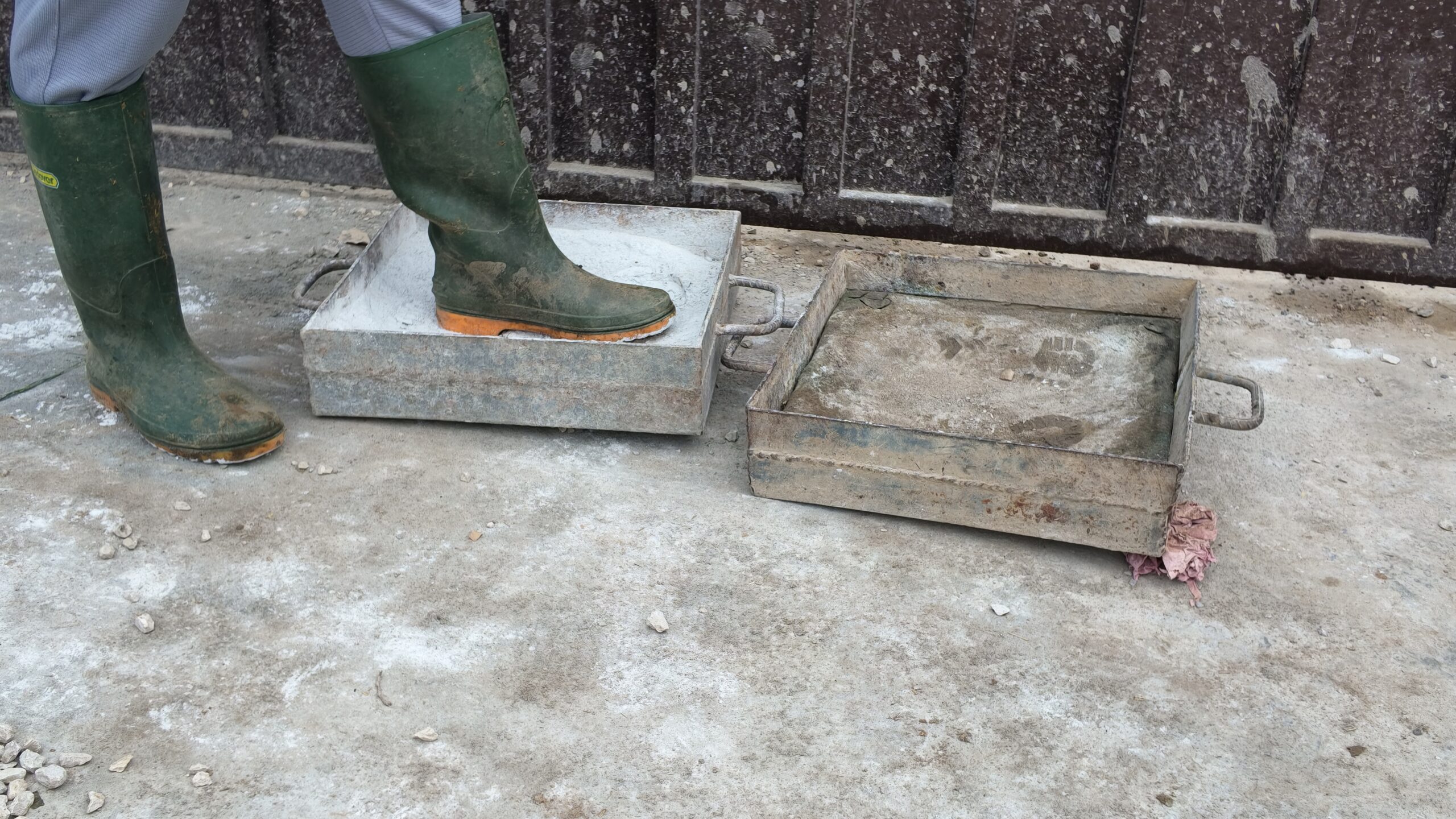
For any dairy farm, the animals are the business, and protecting them starts long before anyone reaches for a vaccine. At Gulshan Farms, biosecurity is treated as a daily discipline rather than a box-ticking exercise. Our veterinary team works around the clock — a head veterinarian, an assistant veterinarian and four veterinary assistants, supported by dedicated labour — and sheds are cleaned three times a day as standard practice. Anyone entering the farm passes through a biosecurity routine: feet and shoes dipped, hands sanitised, before they go anywhere near the herd. Vehicles are kept out entirely, with the single exception of Nestlé’s milk collection vehicle, which goes through its own dipping and spraying system.
Behind this daily routine sits a full annual vaccination programme covering eight diseases prevalent in Pakistan, including foot-and-mouth disease.
“Health and security of our animals is our priority. Funds never matter in terms of health and security of our animals.”Muhammad Jafar Hassan, CEO
Last year tested that commitment. Pakistan saw outbreaks of both foot-and-mouth disease and lumpy skin disease within a few months of each other. Because the herd was already vaccinated against foot-and-mouth, Gulshan Farms recorded only one related mortality — a calf too young to have received the vaccine. The subsequent lumpy skin disease outbreak, arriving while animals were still under heat and disease stress, did cause further losses, but Alhamdulillah nowhere near the scale seen on other farms. Across recent years, our overall mortality rate has held at around 2%, comfortably inside the industry benchmark of under 5% for a well-run farm, and closer to 1% in a typical year without a major outbreak.
Prevention only goes so far, so Gulshan Farms is also building physical redundancy into how the herd is housed. Animals are already separated by feeding stage — cows, heifers and calves each receive different diets — but two further changes are planned. The first is a dedicated hospital shed, so any sick animal can be isolated immediately rather than treated within the main herd. The second, longer-term change is to relocate all heifers and calves to a separate site at least ten kilometres from the main farm at Kul Shandary. If disease or disaster ever struck one location, the other would hold the farm’s genetic lineage safely in reserve — a straightforward but important insurance policy for shareholders.
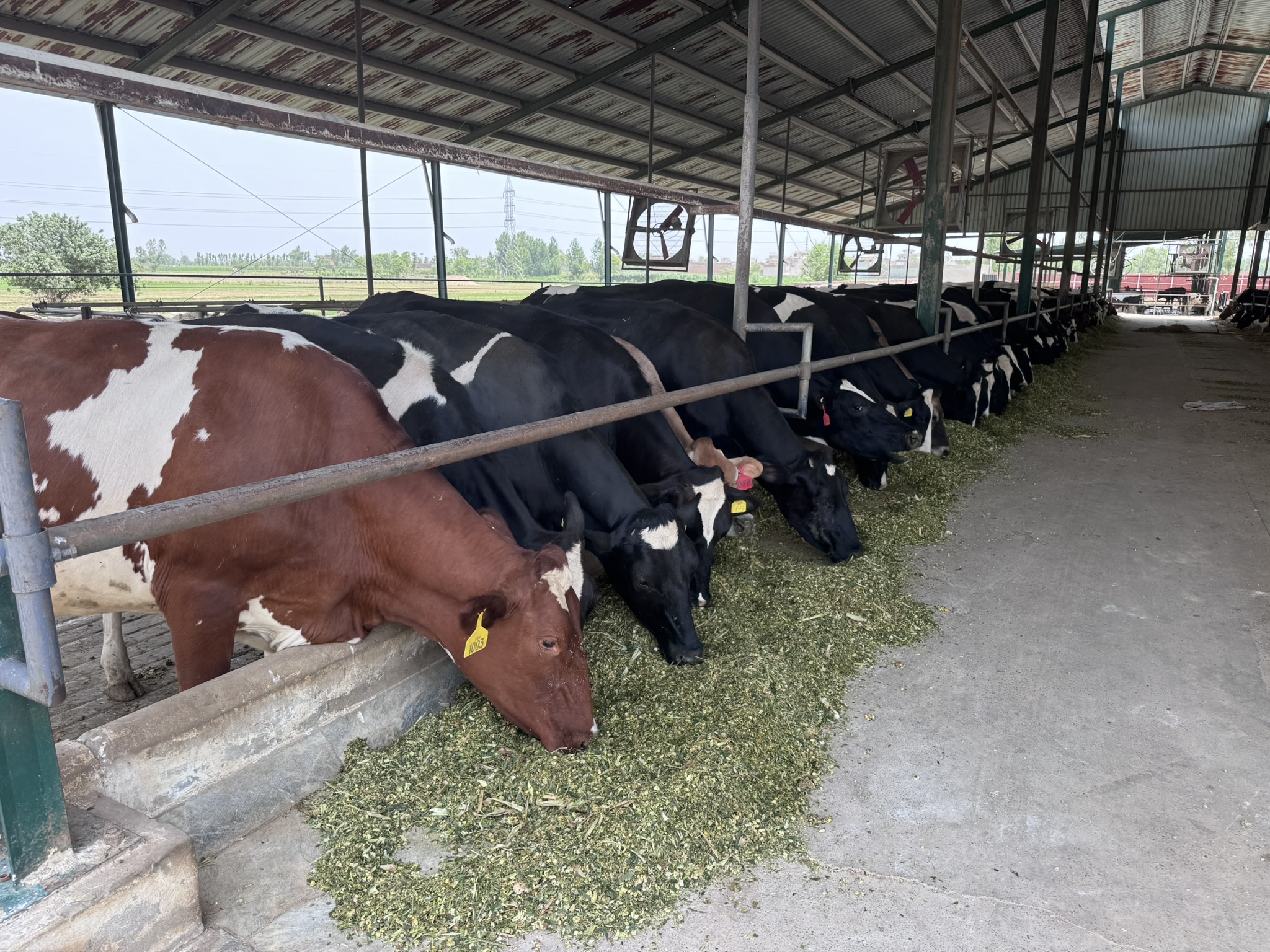
Energy security has become a global concern, and Gulshan Farms began preparing for it well before it made headlines. The farm currently draws around 1,800–1,900 units of electricity a day through an industrial transformer, a figure that will keep rising as new sheds come online. Since installing a 125kVA solar array roughly eighteen months ago, the farm now pays only around a quarter of what it previously paid in electricity bills, with the system on track to fully repay its own cost within three years. The plan is to expand to at least 300kW of solar capacity within two years, alongside lithium battery banks that would allow the farm to run through the night without mains power or diesel generators. In Pakistan’s summer heat, this matters directly for animal welfare: industrial cooling fans and misting systems depend on a stable power supply, and any interruption puts the herd under heat stress.
Two commercial relationships anchor the farm’s income: our genetics partnership with Genetics Australia, and our long-standing milk supply agreement with Nestlé. Neither is a single point of failure. Gulshan Farms has recently added a second genetics partner, Viking Genetics in Europe, giving access to another leading European bloodline alongside the existing Australian genetics. On the milk side, while Nestlé is a valued and important buyer, Pakistan’s domestic market alone provides real security: the country is the world’s seventh-largest milk producer and third-largest consumer, with roughly 320 million people to feed and still not enough milk to meet demand. Should circumstances ever change with any single buyer, there is no shortage of demand elsewhere in the market.
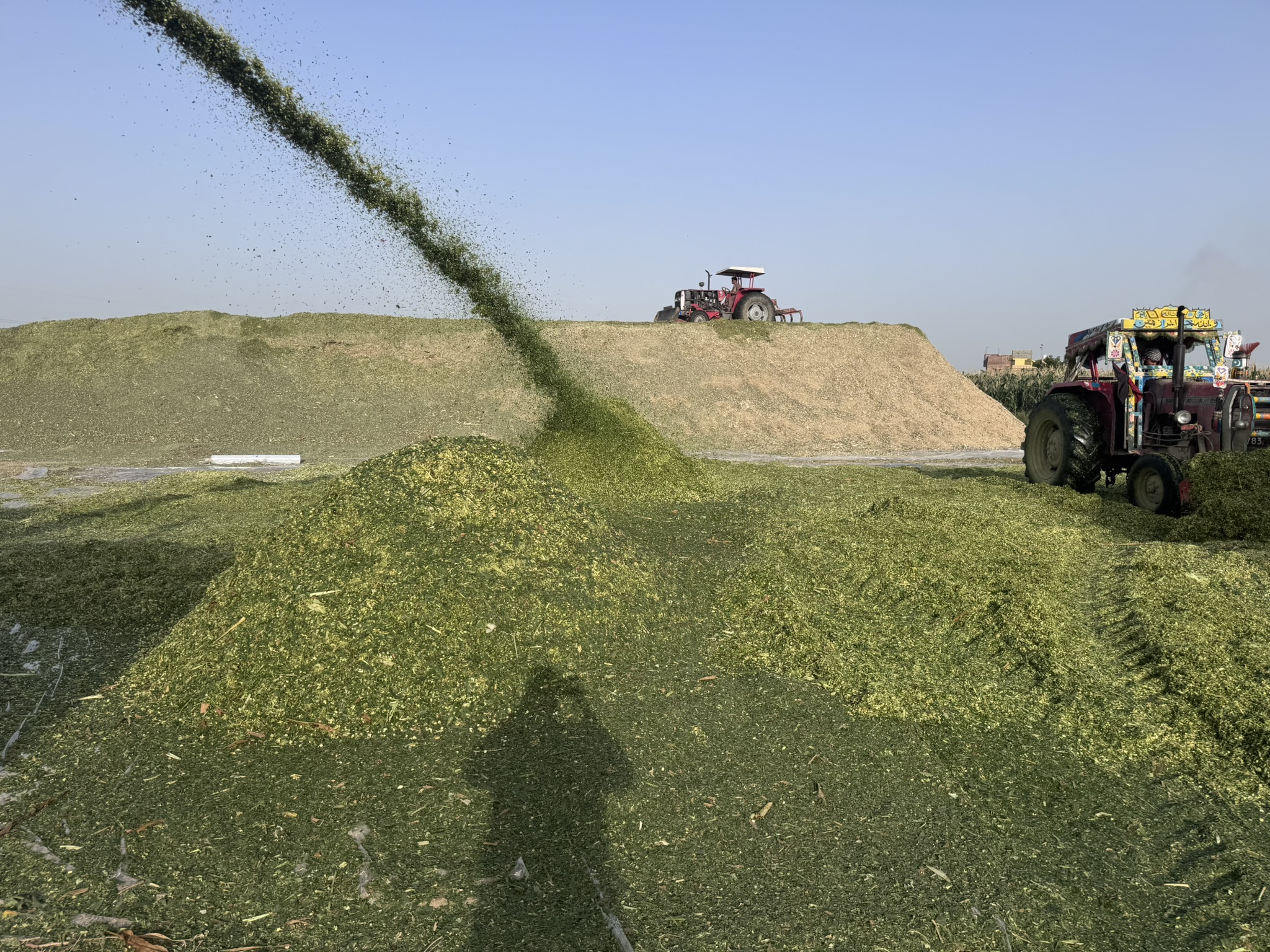
Feed costs are one of the most persistent pressures for any growing dairy herd, and Gulshan Farms manages this through a mix of self-sufficiency and careful procurement. This year the farm produced significantly more silage in-house than in previous years, reducing reliance on buying it in from outside sources. Corn, soya and canola — the other core ingredients — are currently bought monthly, which works well in season but becomes costly outside it, as last year’s flooding and the resulting price rises demonstrated. The next step is building corn silo capacity so the farm can buy a full year’s supply at the best seasonal price rather than paying volatile monthly rates. All procurement decisions, including crude-protein testing of feed samples, are signed off personally by Jafar before any purchase is made.
It would be easy to build an update around biosecurity, energy and contracts and skip past the harder question — but our investors deserve a straight answer, so we asked it directly: what happens to Gulshan Farms if something happens to Jafar?
His answer was refreshingly candid. Today, Jafar occupies two roles at once — CEO of the company and, in effect, farm manager on the ground, with veterinary, administrative, media and accounts teams all reporting to him. But as he explained, that dual role is a choice born from his love of hands-on farming, not a structural necessity.
“Hire a good farm manager with at least six to seven years of farming experience — ten is preferably better. Give him the targets, give him the funds, he will achieve all those targets for you.”Muhammad Jafar Hassan, CEO
The plan, should it ever be needed, is straightforward: hire an experienced farm manager, hand them clear targets and the funds to meet them, and move to a model of weekly reporting to the CEO and shareholders. Jafar remains CEO, but the day-to-day decisions that currently pass through him would sit with a professional manager instead. As Gulshan Farms grows toward its target of 1,000 milking animals over the next two to three years, this transition is expected to happen naturally — freeing Jafar to focus on the wider Gulshan Farms brand while the core farm continues, Inshallah, without dependence on any one individual.
None of this removes risk entirely — no farm, anywhere in the world, can promise that. But Alhamdulillah, what these conversations show is a business that plans deliberately for the things it cannot control: disease, energy costs, supplier risk, feed price shocks, and yes, its own leadership. We will continue to bring you these conversations roughly once a week, Inshallah, so you can see not just the milk in the tank, but the thinking behind the farm.